
From The UnNoticed Entrepreneur archive: Jim James talks to Mark Wong, founder of Impossibrew, in the UK. Published November 2023. Figures are as Mark described them at the time.
In two minutes
- Impossibrew makes alcohol-free beer with plant-based ingredients meant to give the relaxed feeling of a pint or two, without alcohol.
- Mark went on BBC’s Dragons’ Den three months after starting. He got no investment, but says the airing brought about £100,000 of sales within hours.
- Two lessons: don’t spend your budget on an agency rebrand before you know your customers, and phone your customers.
Listen to the episode
Why it exists
Mark loved beer from his school days. Around 21 or 22, a health scare meant he had to stop drinking, and he realised how much of his social life depended on it. Growing up in Hong Kong, he’d seen plants and herbs used for all sorts of purposes. If caffeine picks you up in the morning, he asked, what natural ingredient could relax you in the evening?
With university researchers, Mark’s team developed beers using plant ingredients that work on serotonin and dopamine. The aim is the “one or two pint feeling” that keeps conversation flowing, and it stops there. There are two styles: a lager and a hazy IPA.
Dragons’ Den at three months
A BBC producer got in touch three months into the business, when turnover was about £10,000. Mark feared the public humiliation clips everyone watches, but did it anyway. The pitch lasted about an hour and a half and was cut to around 11 minutes. The Dragons didn’t invest, but the audience bought into the mission. On the night it aired, sales hit about £100,000 within a few hours.
Direct to consumer, on purpose
People told them it wouldn’t work. Mark didn’t like carrying cases of beer home from the supermarket, so Impossibrew sells mainly through its own website, delivered in a day or two. Shipping heavy cans is expensive, but selling direct means:
- a direct relationship with customers;
- feedback without gatekeepers;
- the chance to fix what isn’t working quickly.
Some resellers list it on Amazon, but the small team focuses on its own site.
Social media: document, don’t advertise
“I know I don’t like watching ads,” Mark says. So the team films the start-up journey as it happens, mistakes included, like a botched canning run for a limited stout. At the time they had about 35,000 Instagram followers and 65,000 on TikTok, from a small number of videos. Jim’s takeaway: quality beats volume.
The big mistake
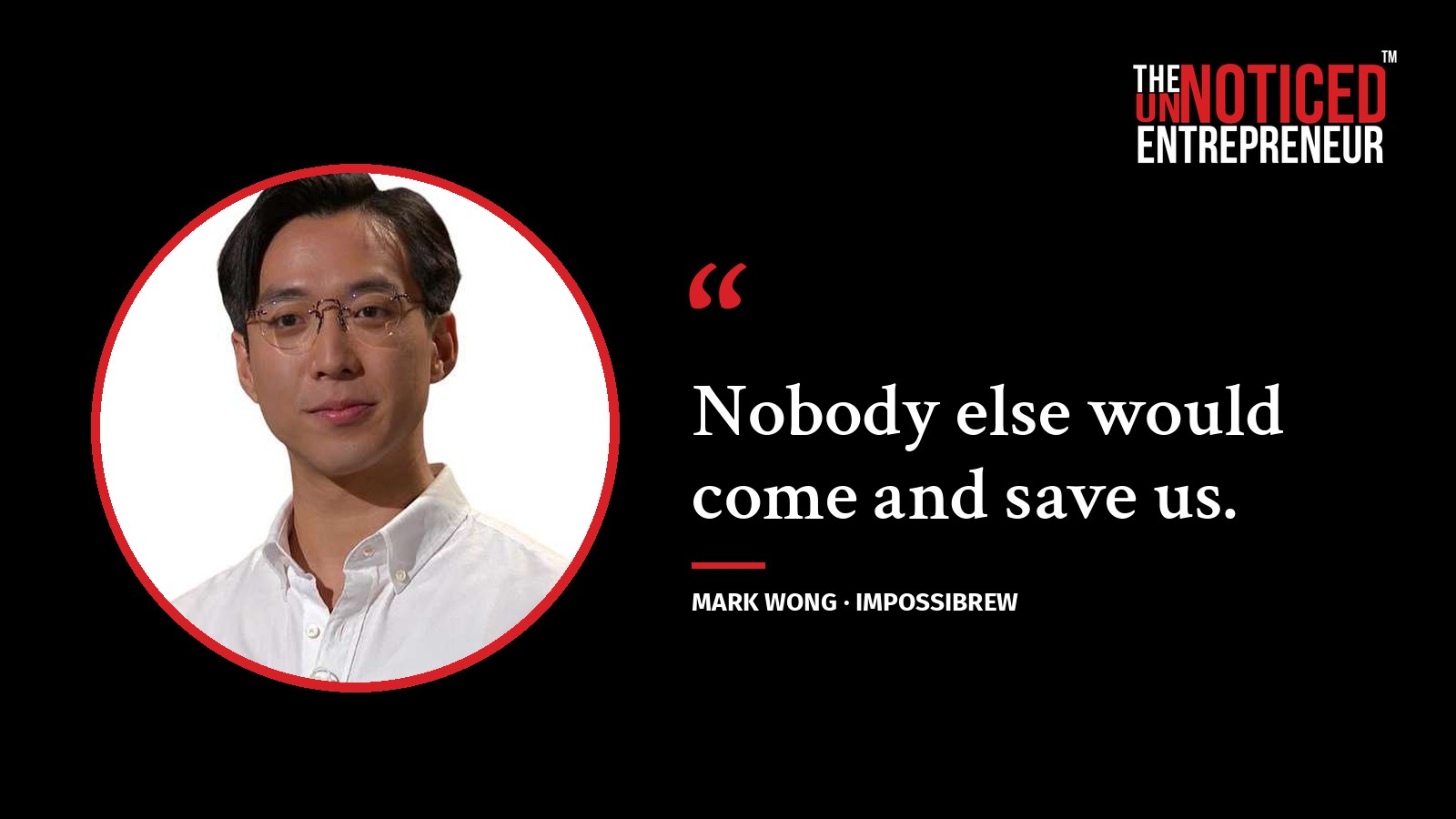
Mark spent about 90% of the early grant and competition money on a big branding agency. Six months later the brand wasn’t right, it missed its Dry January launch, and there was no money left for revisions. The brand was rebuilt in PowerPoint. “Nobody else would come and save us.”
What works: phone your customers
In the early days, Mark called every single customer. Those calls led to better products and marketing, and some of the company’s closest relationships. It became, he says, almost a community effort.
The business model: Impossibrew
- Customer: people cutting down on alcohol who still want the social ritual.
- Problem it solves: alcohol-free drinks that taste fine but don’t give the relaxing feel.
- How it makes money: direct-to-consumer sales of cases and bundles online, plus some resellers.
- How it wins customers: behind-the-scenes social video, TV exposure, and word of mouth from engaged customers.
- The pattern: a new product category sold direct, so the founder hears every customer.
Lessons you can use
- Start from the need, not the product. Mark asked why people drink before deciding what to make.
- Take the scary opportunity. Exposure can matter more than investment.
- Own the customer relationship. Selling direct buys you feedback.
- Show the journey, flaws and all. It outperforms polished ads.
- Don’t blow the budget on branding before product–market fit.
Try this this week
- Phone five recent customers and ask what nearly stopped them buying.
- Film one honest, behind-the-scenes clip of something going wrong, and what you did next.
- Check what share of your revenue comes through channels where you never meet the customer.
Impossibrew: impossibrew.co.uk


Leave a Reply