
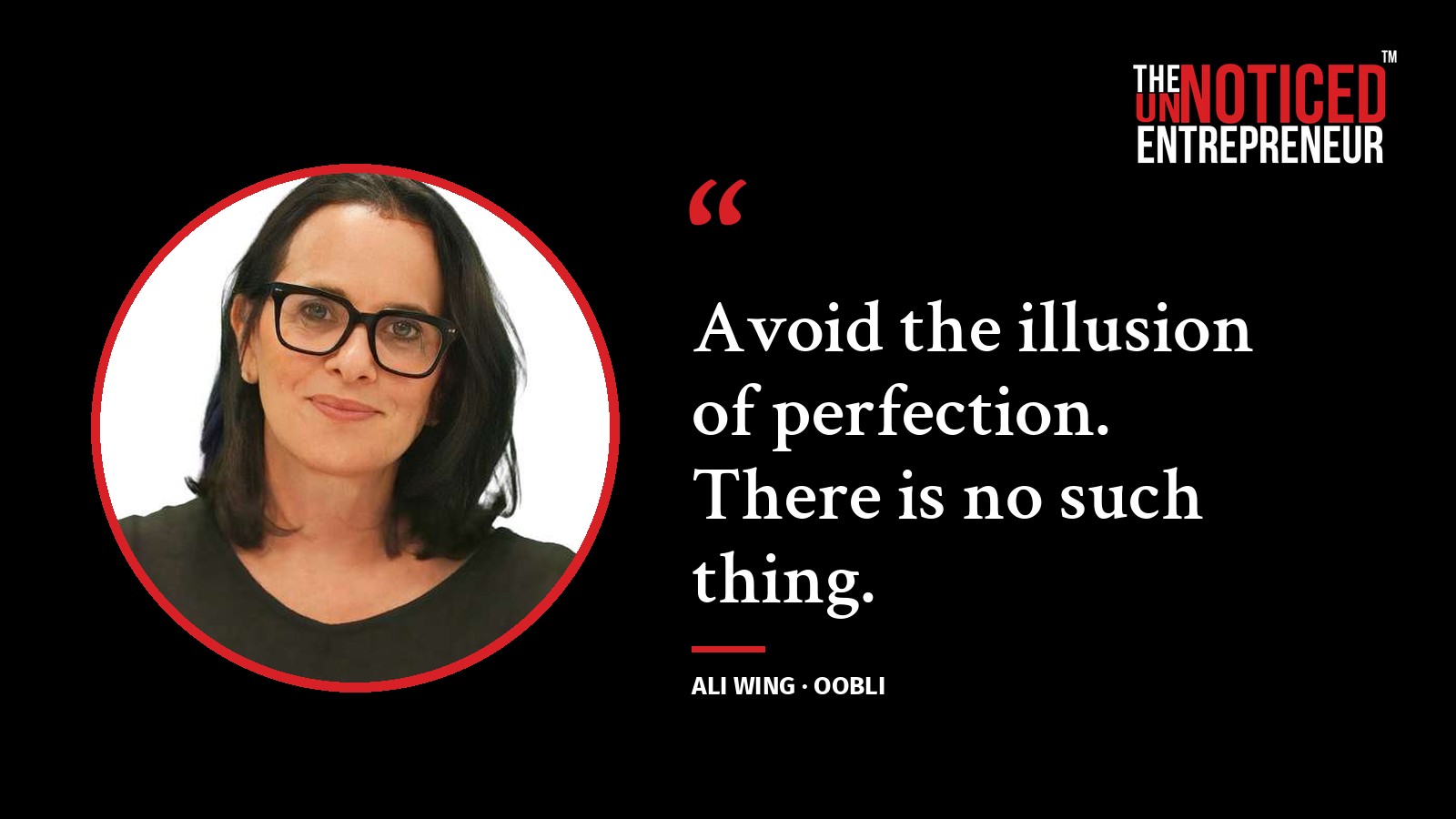
From The UnNoticed Entrepreneur archive: Jim James talks to Ali Wing, CEO of Oobli, in California. Published October 2023. Scientific and market claims are as Ali described them.
In two minutes
- Oobli makes sweet proteins: proteins found in equatorial plants and berries that taste sweet but, Ali says, don’t act on blood sugar the way sugars do. They’re now produced by fermentation.
- Selling something nobody has heard of starts with taste. Oobli handed out more than 15,000 free teas in LA in one summer.
- Ali’s biggest mistake was a nutrition label that said “0g protein” on a sweet-protein product.
Listen to the episode
What’s new here
Sweet proteins come from plants and berries that grew along the equator. They signal “sugar” to the taste buds of humans and great apes, but the body digests them as protein, not carbohydrate. They’ve been known about for decades but couldn’t be produced at scale. Fermentation changed that: the plant’s DNA for the protein is put into yeast, much as yeast is used in beer and cheese.
Ali credits her co-founders, especially CTO Jason Ryder, for about eight years of work before she joined to bring the product to market.
Not a war on sugar
Ali compares sugar to fossil fuel: important, but used far too widely. Her pitch isn’t to disrupt the sugar industry but to address obesity and diabetes. Demand already exists, she says: most Americans are trying to cut sugar and “kind of failing”, and there are about 50 forms of sugar on labels.
Sweet proteins replace sweetness, not everything sugar does. In Oobli’s chocolate, sugar made up half the weight, so a dietary fibre fills the gap left behind.
Selling something nobody has heard of
Most consumers don’t want a biology lesson. So Oobli starts with food people crave and saves the explanation for later.
- Match a favourite. Oobli picks a popular drink or snack to compete with and reformulates until four in five testers can’t tell the difference. Its teas cut sugar by about 75% compared with the equivalent.
- Sample where early adopters gather. In July and August, the team handed out over 15,000 cold teas in Los Angeles at movie nights and at the bottom of popular hikes like Laurel Canyon.
- Sample online too. Watch a short explainer from the CTO and get a free six-pack; you just pay shipping.
- Let customers speak. Oobli invites reviews, good and bad, because only perfect reviews look fake. It even runs blindfold taste tests with chefs online.
By autumn it was in about 75 retailers in California and working with large food companies to reformulate their products.
The label mistake
Sweet proteins are thousands of times sweeter than sugar, so very little is needed. The protein in the tea came to about 0.8% of the product, and under US labelling rules anything under 1% shows as zero. Customers turned over a “sweet protein” product and saw “0g protein”. Oobli redesigned the packaging to explain it (the proteins are now “tiny superheroes”). Fail fast, admit it, adjust.
Ali’s three principles
- Fail fast. Get to market and learn. Customers forgive mistakes if you’re open about them.
- Drop the illusion of perfection. “The only truth about our plan today… is it’s wrong.”
- Measure everything. It’s fine to make a mistake once if you measured it and learned from it.
The business model: Oobli
- Customer: health-conscious consumers, and food and drink companies reformulating their products.
- Problem it solves: sweetness without the sugar load.
- How it makes money: its own branded teas and chocolate, plus partnerships supplying sweet proteins to other brands.
- How it wins customers: sampling, transparent reviews and education from scientific advisers.
- The pattern: a deep-tech ingredient introduced through familiar consumer products.
Lessons you can use
- Lead with the experience, not the science.
- Remove the switching cost. Make the new thing taste like the old favourite.
- Sample where your early adopters already are.
- Read your packaging like a sceptic. Make sure the label doesn’t undercut your story.
- Welcome imperfect reviews. They make the good ones believable.
Try this this week
- Explain your product in one sentence without any technical term.
- Find one place where your early adopters gather, and plan a sampling session.
- Ask a stranger to read your packaging or homepage and tell you what confuses them.
Oobli: oobli.com


Leave a Reply